Comment faire un sondage sur WhatsApp

Découvrez Comment faire un sondage sur WhatsApp étape par étape. Guide complet pour Android, iOS et bureau avec limites, confidentialité et astuces pro.
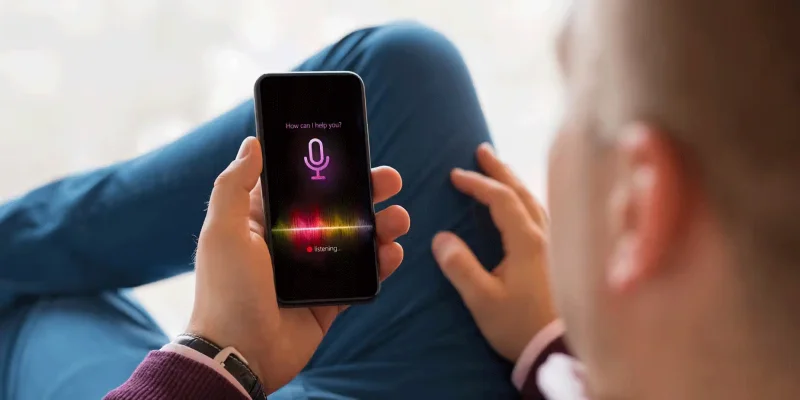
Whether you're gaming with friends or hopping on a Zoom call for work, a microphone is a necessity in today's post-pandemic world. But if you don't have a dedicated PC microphone, you can use your smartphone as a microphone for your Windows computer. Here's how.
Table of Contents
If you have an Android phone, you can use your Android phone as a free Windows microphone with AudioRelay. To use it, all you need is Wi-Fi on your smartphone and an Internet connection on your Windows computer.
Once AudioRelay is installed on both devices, follow these steps:
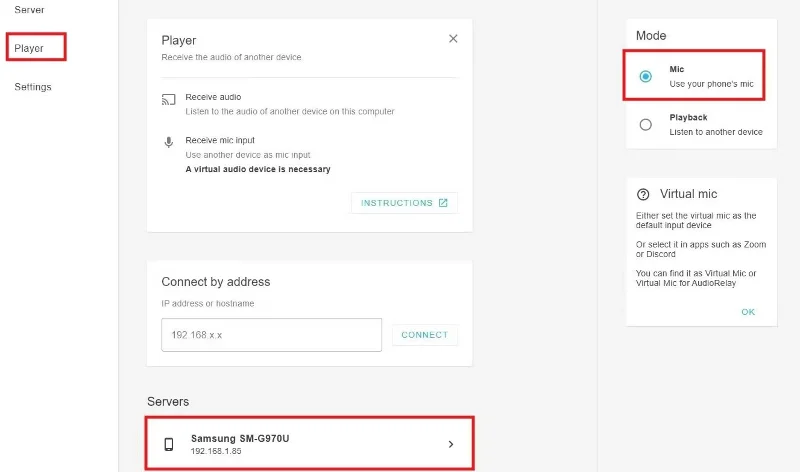
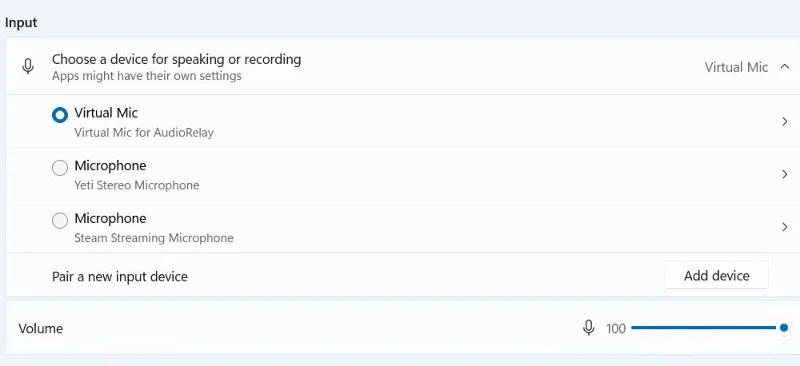
Next, you need to tell your Windows PC to use AudioRelay as your microphone:
Start speaking and you should see the volume bar move with the sound of your voice. Also, if you're not sure if it's working, test your microphone in a program like Zoom. Make sure the input device is set to Virtual Mic for AudioRelay in the app you're using.
There are just a few things to keep in mind. There are other connection options, but Bluetooth has latency issues and wired USB doesn't work. You should use Wi-Fi, which is the default.
Note that the free version limits you to 1 hour of continuous use. After that, you will have to restart the connection by following the steps above.
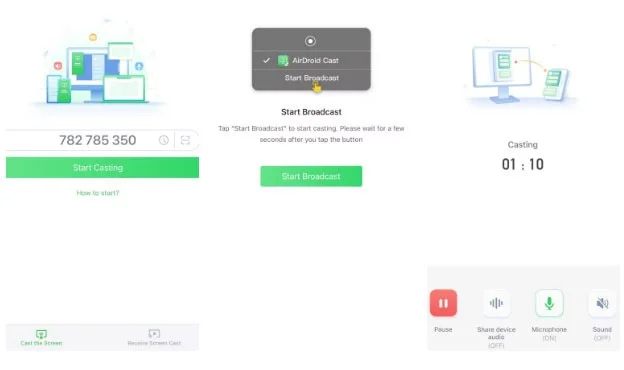
If you have an iPhone and want to use it as a Windows microphone, you can use AirDroid Cast. The process can be a bit convoluted since the app is meant for full-screen mirroring, but it’s probably the best option for getting the job done. All you need for the app to work is Wi-Fi on your iPhone and an Internet connection on your Windows PC.
Once you have AirDroid Cast installed on both devices, follow these steps:
Next, to start using the microphone, follow these steps:
It's great that everything is handled through the app, so you don't have to mess around with Windows microphone settings. The free version is also very generous, giving you unlimited connection time.
There are a few things to know about other connection options. You can connect via Bluetooth or a USB cable. However, the USB cable option is only available if you upgrade to a paid subscription.
If Windows isn't detecting your microphone or voice, check these common issues first:
While it may not be ideal to use your smartphone as a microphone for Windows, it is a great and inexpensive alternative if you don’t have a regular microphone. Similar to how you can use your phone as a webcam on Windows, it’s great to be able to make use of what you already have.
Découvrez Comment faire un sondage sur WhatsApp étape par étape. Guide complet pour Android, iOS et bureau avec limites, confidentialité et astuces pro.
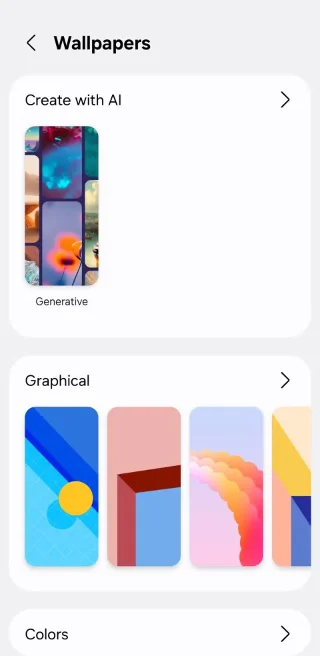
Votre précieux Samsung Galaxy n'a pas besoin de ressembler exactement à tous les autres téléphones du marché. Avec quelques ajustements, vous pouvez le rendre plus personnel, élégant et unique.
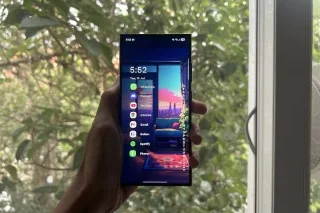
Après s'être lassés d'iOS, ils sont finalement passés aux téléphones Samsung et ne regrettent pas cette décision.
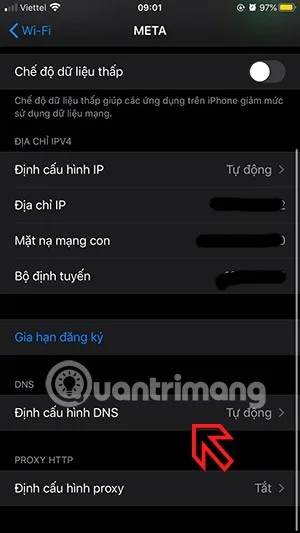
Changer le DNS sur iPhone ou changer le DNS sur Android vous aidera à maintenir une connexion stable, à augmenter la vitesse de connexion réseau et à accéder aux sites Web bloqués.
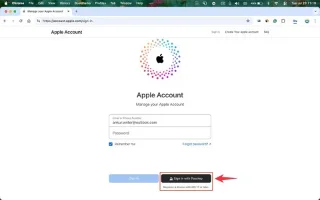
L'interface Web du compte Apple dans votre navigateur vous permet de consulter vos informations personnelles, de modifier vos paramètres, de gérer vos abonnements, et bien plus encore. Cependant, il arrive parfois que vous ne puissiez pas vous connecter pour diverses raisons.
Lorsque Find My devient inexact ou peu fiable, appliquez quelques modifications pour le rendre plus précis lorsque vous en avez le plus besoin.
Beaucoup de gens ne s’attendaient pas à ce que l’appareil photo le plus faible de leur téléphone devienne une arme secrète pour la photographie créative.
Apple a lancé l'Adaptive Power, qui fonctionne en complément du mode Faible consommation. Ces deux fonctions prolongent l'autonomie de la batterie de l'iPhone, mais fonctionnent de manière très différente.
La communication en champ proche est une technologie sans fil qui permet aux appareils d'échanger des données lorsqu'ils sont à proximité les uns des autres, généralement à quelques centimètres près.
Grâce aux applications à clic automatique, vous n'aurez plus grand-chose à faire lorsque vous jouerez à des jeux, utiliserez des applications ou effectuerez des tâches sur l'appareil.