Comment faire un sondage sur WhatsApp

Découvrez Comment faire un sondage sur WhatsApp étape par étape. Guide complet pour Android, iOS et bureau avec limites, confidentialité et astuces pro.
Every photo you take on your iPhone includes EXIF metadata. This metadata records information about how, when, and where you took the photo. Previously, you needed a special utility (app) to view EXIF metadata on your iPhone. But starting with iOS 15, you can view this data directly in the Photos app. Find out more below.
What is EXIF data?
A photo's EXIF data contains a lot of information about your photo. Every photo taken with a mobile phone or digital camera contains a lot of metadata embedded in the image file, in addition to the actual image bits. This information shows the location where the photo was taken (if GPS is enabled), the camera used, the date and time the photo was taken, the size and format of the photo file, etc. That's EXIF (Exchangeable Image File Format). Most digital cameras automatically record this data unless you disable it.
Metadata is useful for finding photos from a recent vacation or determining when you took a particular photo. However, it can also reveal a lot about your personal habits and where you live. You should edit or remove sensitive metadata before sharing photos online .
Currently, iOS doesn't have a built-in feature to view metadata, so you'll need to use a third-party app. The Photo Investigator app for iOS allows you to quickly and easily view the EXIF metadata of your photos.
How to View EXIF Metadata in Photos on iPhone
First, open the Photos app on your iPhone. Find the album containing the photo whose metadata you want to check, then tap it. In the thumbnail view, tap the photo to see more details.

In the photo's detail view, tap the “Info” button located on the toolbar at the bottom of your screen (it looks like a lowercase “i” in a circle).
A special window will open near the bottom of your screen. In this window, you'll see the date and time the photo was taken, and an information box. If the photo stores the location where it was taken, you'll also see that information.
Just below the date and time data, you’ll see a section that gives you detailed information about the photo, including what device took the photo, the image format (“HEIF” in this example), the camera lens used, the image resolution, the image size (“1.9 MB” here), and exposure information like ISO, aperture, and shutter speed. This is the EXIF metadata you’re looking for.
That’s it. When you’re done, you can hide the EXIF data window by clicking the “Info” button again. Repeat the same process to check the EXIF data on any other photos. Hope this article was helpful.
See also:
Découvrez Comment faire un sondage sur WhatsApp étape par étape. Guide complet pour Android, iOS et bureau avec limites, confidentialité et astuces pro.
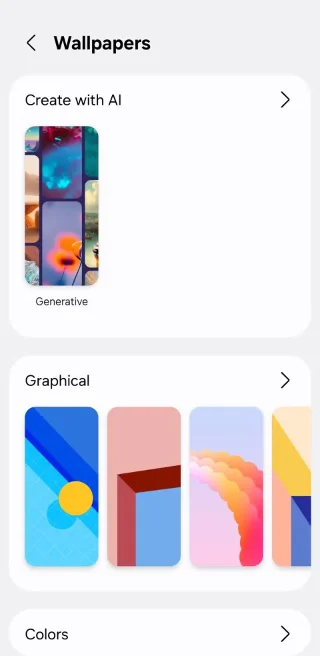
Votre précieux Samsung Galaxy n'a pas besoin de ressembler exactement à tous les autres téléphones du marché. Avec quelques ajustements, vous pouvez le rendre plus personnel, élégant et unique.
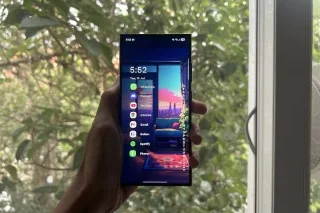
Après s'être lassés d'iOS, ils sont finalement passés aux téléphones Samsung et ne regrettent pas cette décision.
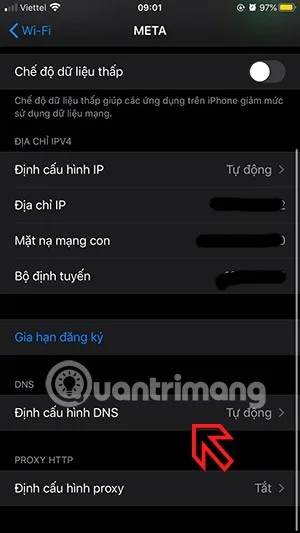
Changer le DNS sur iPhone ou changer le DNS sur Android vous aidera à maintenir une connexion stable, à augmenter la vitesse de connexion réseau et à accéder aux sites Web bloqués.
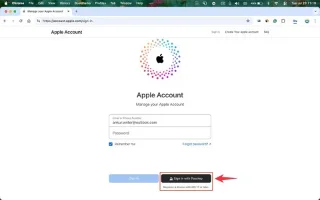
L'interface Web du compte Apple dans votre navigateur vous permet de consulter vos informations personnelles, de modifier vos paramètres, de gérer vos abonnements, et bien plus encore. Cependant, il arrive parfois que vous ne puissiez pas vous connecter pour diverses raisons.
Lorsque Find My devient inexact ou peu fiable, appliquez quelques modifications pour le rendre plus précis lorsque vous en avez le plus besoin.
Beaucoup de gens ne s’attendaient pas à ce que l’appareil photo le plus faible de leur téléphone devienne une arme secrète pour la photographie créative.
Apple a lancé l'Adaptive Power, qui fonctionne en complément du mode Faible consommation. Ces deux fonctions prolongent l'autonomie de la batterie de l'iPhone, mais fonctionnent de manière très différente.
La communication en champ proche est une technologie sans fil qui permet aux appareils d'échanger des données lorsqu'ils sont à proximité les uns des autres, généralement à quelques centimètres près.
Grâce aux applications à clic automatique, vous n'aurez plus grand-chose à faire lorsque vous jouerez à des jeux, utiliserez des applications ou effectuerez des tâches sur l'appareil.