Why shouldnt you wash dishes by hand?

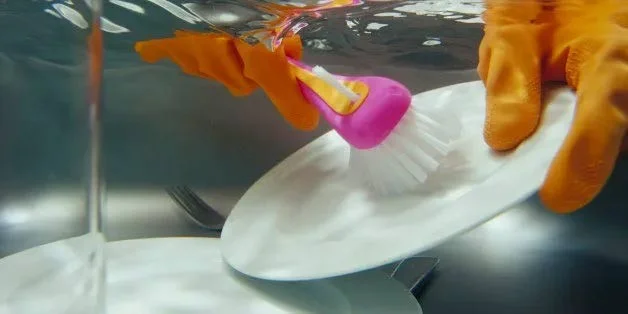
Many people have the habit of washing dishes by hand, but may have to rethink when knowing the effects of washing dishes on the skin and health. Below are the harmful effects or reasons why you should not wash dishes by hand , instead think about investing in a dishwasher.

Why shouldn't you wash dishes by hand?

Why shouldn't you wash dishes by hand?

Not cleaning dishes completely

You can use cool or warm water in your regular dishwashing routine. That temperature isn't enough to completely clean your dishes of bacteria. " Our hands can't handle the hot water temperatures -- 140 degrees Fahrenheit -- that many dishwashers use to clean dishes ," The Washington Post reports.

Plus, kitchen sponges have been shown -- used time and time again -- to be one of the germiest items in your home. Instead, your dishwasher can clean them effectively at this temperature or higher.

A 2017 study by Scientific Reports found that kitchens have more bacteria than toilets. “ This is largely due to the contribution of kitchen sponges, which have been shown to harbor the most active bacteria in the entire home, ” the study said.

Sponges need to be cleaned, but many people don't. Seriously, using a dirty sponge to wash dishes can leave your dishes dirtier than they were before you cleaned them.

Waste of resources

Washing dishes by hand before using the dishwasher will definitely use more water than just running the entire dishwasher.

Rinsing dishes in the sink can easily waste more than 23,000 litres of water per household per year. Just scrape off any food residue from your dishes, without water, before putting them in the dishwasher.

Prone to irritation and dermatitis of hands

Washing dishes by hand can be hard on your hands. If you have dry or sensitive skin or just got a manicure, all that hot water and dish soap can damage your skin and nail polish. Gloves help protect your hands, but why not run the dishwasher and give your hands a break?

Why shouldn't you wash dishes by hand?

When should you wash clothes by hand?

Items that should be washed by hand: Antique family heirlooms, sharp knives and blades, and delicate items, such as hand-painted dishes, wooden cutting boards, or cast iron or wooden items. In addition, if the number of items to be washed is small, washing by hand will save more water. On the other hand, for stubborn stains or residue, you should treat them by hand first.

Don't leave dishes in the dishwasher for more than a few days. Dirty dishes are a breeding ground for bacteria and it's best to wash them as soon as possible.

In general, washing dishes by hand or by machine depends on people's habits and preferences. However, it is easy to see that using a dishwasher brings more benefits than washing dishes by hand, especially saving time and effort. If you are interested in this device, you can refer to:
Laisser un commentaire

Comment jeter une batterie externe à Angers ? Les solutions de collecte en 2026

Comment jeter une batterie externe à Angers ? Les solutions de collecte en 2026

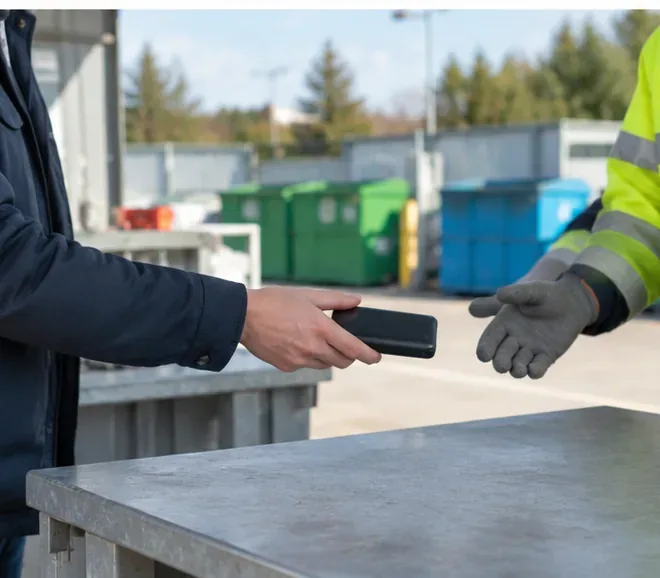
À Angers, une batterie externe ne va ni dans les ordures ménagères ni dans le bac jaune. Voici où la déposer, comment la préparer et quoi faire si elle est gonflée ou endommagée.

Comment jeter une batterie externe à Saint-Étienne ? Les solutions sûres et pratiques

Comment jeter une batterie externe à Saint-Étienne ? Les solutions sûres et pratiques

À Saint-Étienne, une batterie externe ne va ni dans la poubelle grise ni dans le bac jaune. Voici où la déposer, comment préparer une batterie intacte ou gonflée et quand choisir magasin ou déchèterie.

Comment jeter un téléviseur à Angers ? Guide pratique pour le déposer ou le faire reprendre

Comment jeter un téléviseur à Angers ? Guide pratique pour le déposer ou le faire reprendre

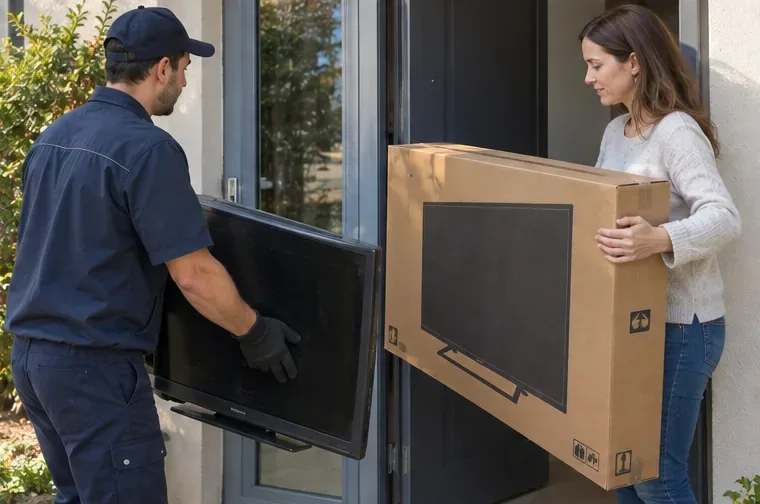
Téléviseur usagé à Angers : déchèterie, badge, reprise gratuite en magasin, préparation et erreurs à éviter pour recycler votre écran correctement.

Comment jeter de l’huile de cuisson usagée à Perpignan ?

Comment jeter de l’huile de cuisson usagée à Perpignan ?

Découvrez comment stocker et déposer l’huile de cuisson usagée à Perpignan sans boucher les canalisations, avec les précautions et vérifications locales.

Comment jeter des piles à Le Havre ? Les bons points de collecte et les règles à suivre

Comment jeter des piles à Le Havre ? Les bons points de collecte et les règles à suivre

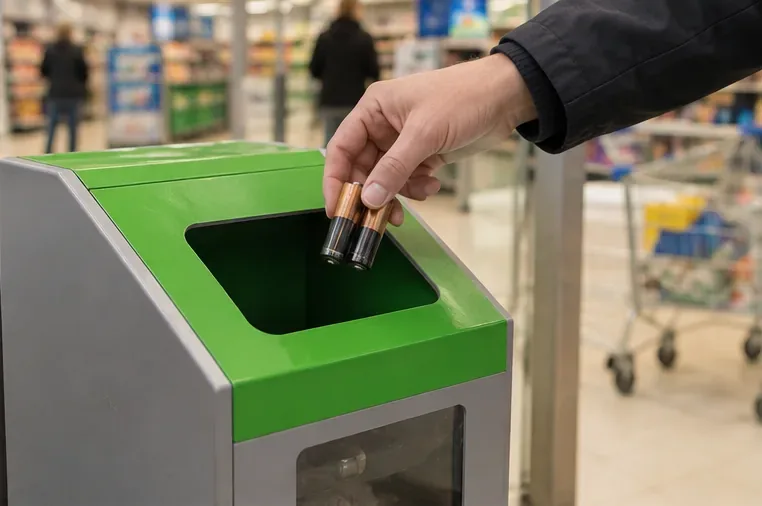
À Le Havre, les piles usagées ne vont ni dans les ordures ménagères ni dans le bac jaune. Découvrez où les déposer, comment les préparer et que faire des batteries abîmées.

Comment jeter des piles à Toulon ? Points de collecte, magasins ou déchèterie

Comment jeter des piles à Toulon ? Points de collecte, magasins ou déchèterie

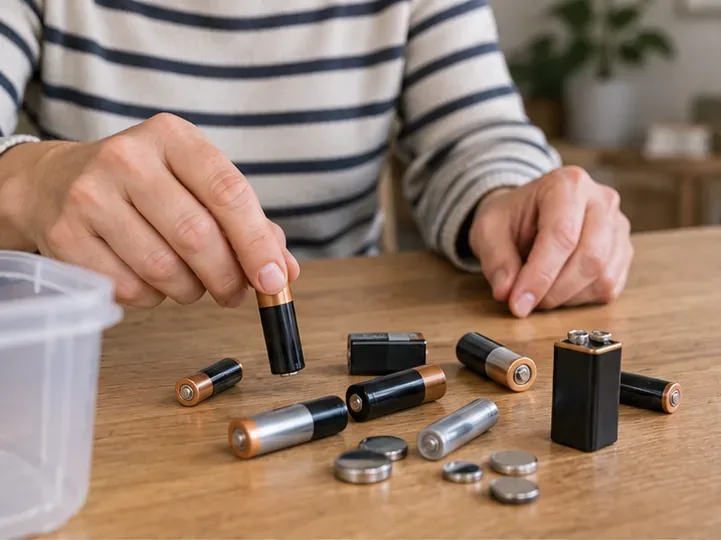
À Toulon, comparez les solutions pour jeter vos piles usagées : points de collecte, magasins et déchèterie, avec les précautions à connaître.

Comment jeter une batterie au lithium à Angers ? Les points de collecte et les précautions

Comment jeter une batterie au lithium à Angers ? Les points de collecte et les précautions

À Angers, découvrez où déposer une batterie au lithium, comment la sécuriser et quoi faire si elle est gonflée, endommagée ou chaude.

Comment jeter une batterie au lithium à Aix-en-Provence ?

Comment jeter une batterie au lithium à Aix-en-Provence ?

Découvrez où déposer une batterie au lithium à Aix-en-Provence et les précautions à prendre selon son état, sa taille et son appareil.

Comment jeter des néons à Nîmes ? Les bons points de collecte et les précautions à prendre

Comment jeter des néons à Nîmes ? Les bons points de collecte et les précautions à prendre

À Nîmes, les tubes fluorescents et LED ne vont pas à la poubelle. Découvrez où les déposer, comment les transporter et quoi faire s’ils se cassent.

Comment jeter un vélo à Perpignan ? Guide pratique du tri et du réemploi

Comment jeter un vélo à Perpignan ? Guide pratique du tri et du réemploi

Vélo usé à Perpignan : vérifiez le réemploi, le badge, l’adresse de la déchèterie et les précautions pour un vélo électrique.