Interesting facts about onions you may not know

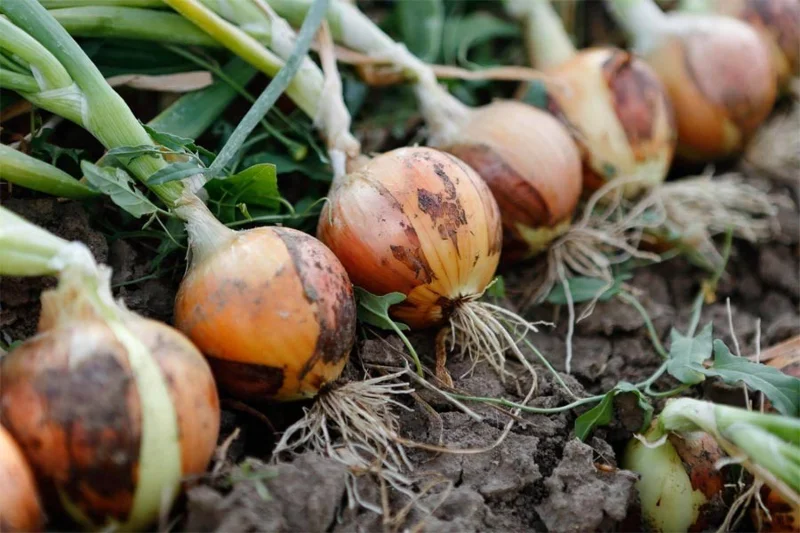
Onions have been a staple in the kitchen for thousands of years, not only providing a rich flavor, but also being very good for your health. However, despite their popularity, many people still don't know everything about onions .

Interesting facts about onions you may not know

Interesting facts about onions you may not know

  • The ancient Egyptians considered onions a symbol of eternal life. They even found traces of onions in the eye sockets of mummies like Ramses IV.
  • Onions were widely used in ancient Rome, not only for cooking but also as medicine. Pliny the Elder of Pompeii wrote about how they could cure eye problems, toothaches, and even dog bites.
  • Onions are often used in schools to teach students how to use a microscope. This is because onion cells are quite large and easy to see.
  • The New Zealand Plant and Food Research Institute created genetically modified onions in 2008 that don't make you cry when you cut them. However, some people find these onions to have a less-than-intense taste.
  • You should never feed your pet onions, no matter how eager they are to eat them. Onions can be toxic to cats, dogs, rabbits, and many other common pets.
  • Onions should be stored separately in a mesh bag at room temperature. They absorb moisture from other vegetables they come into contact with, causing them to spoil more quickly.
  • Onions have many health benefits. They are high in vitamin C, calcium, and iron. They are also a good source of fiber and antioxidants.
  • Two 2019 studies in China and Puerto Rico found a link between onion consumption (the onion family includes garlic, chives, and scallions) and lower rates of various cancers.
  • As onions grow, they absorb a lot of sulfur. This sulfur mixes with other compounds and becomes a gas. When onions are cut, this gas irritates the eyes and makes you cry.

Interesting facts about onions you may not know

  • There are a few things you can do to stop your eyes from burning when cutting onions: Use a fan to blow the gas away before it gets in your eyes, or chill them in the refrigerator or freezer to slow down the sulfur-enzyme reaction.
  • Some onions can walk! Egyptian onions are one of these. Instead of flowering, they grow another bulb on a long stem that curves as the bulb gets larger before attaching itself to the soil to form a new clump.
  • Onion skins have a long history of being used as a dye for clothing. Red onions produce light browns and pinks, while yellow onions produce a yellow-brown dye.
  • Easter eggs were not always brightly painted. Many cultures dyed them with onion skins. In Greece, eggs were boiled with onion skins to give them a yellow colour, while in England, the skins were tied around the eggs with yarn.

Interesting facts about onions you may not know

  • Growing onions and garlic alongside other crops is a natural pest repellant because they release odors that insects hate, forcing them to leave your farm.
  • Due to their pungent smell, onions can cause bad breath. To combat this, you can drink milk or green tea and chew herbs like mint or parsley.

Laisser un commentaire

Comment jeter de l’huile de cuisson usagée à Perpignan ?

Comment jeter de l’huile de cuisson usagée à Perpignan ?

Découvrez comment stocker et déposer l’huile de cuisson usagée à Perpignan sans boucher les canalisations, avec les précautions et vérifications locales.

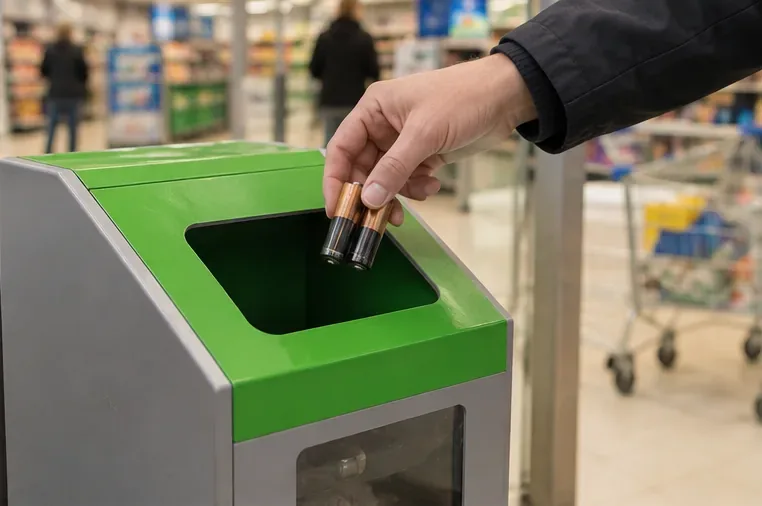
Comment jeter des piles à Le Havre ? Les bons points de collecte et les règles à suivre

Comment jeter des piles à Le Havre ? Les bons points de collecte et les règles à suivre

À Le Havre, les piles usagées ne vont ni dans les ordures ménagères ni dans le bac jaune. Découvrez où les déposer, comment les préparer et que faire des batteries abîmées.

Comment jeter des piles à Toulon ? Points de collecte, magasins ou déchèterie

Comment jeter des piles à Toulon ? Points de collecte, magasins ou déchèterie

À Toulon, comparez les solutions pour jeter vos piles usagées : points de collecte, magasins et déchèterie, avec les précautions à connaître.

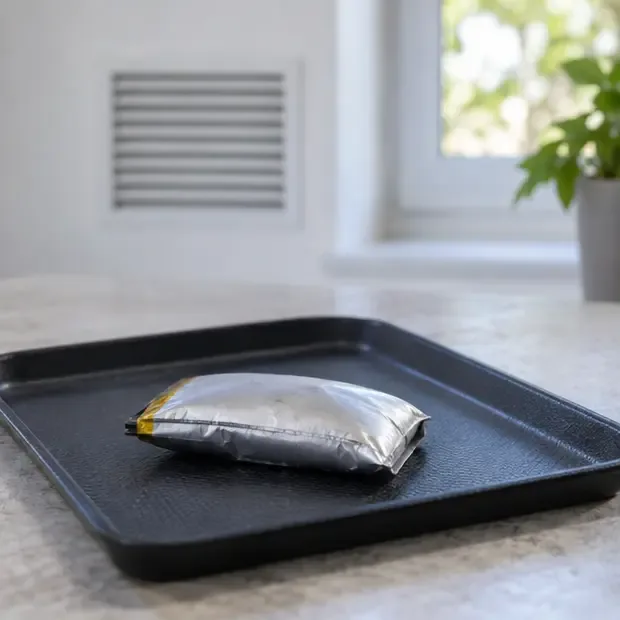
Comment jeter une batterie au lithium à Angers ? Les points de collecte et les précautions

Comment jeter une batterie au lithium à Angers ? Les points de collecte et les précautions

À Angers, découvrez où déposer une batterie au lithium, comment la sécuriser et quoi faire si elle est gonflée, endommagée ou chaude.

Comment jeter une batterie au lithium à Aix-en-Provence ?

Comment jeter une batterie au lithium à Aix-en-Provence ?

Découvrez où déposer une batterie au lithium à Aix-en-Provence et les précautions à prendre selon son état, sa taille et son appareil.

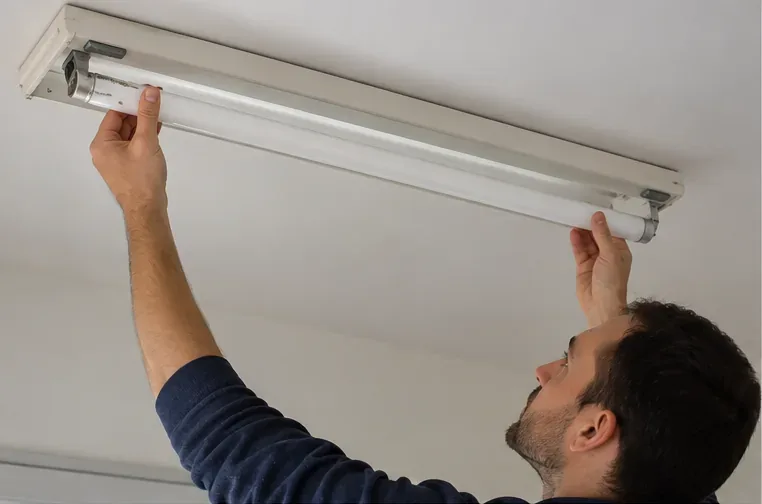
Comment jeter des néons à Nîmes ? Les bons points de collecte et les précautions à prendre

Comment jeter des néons à Nîmes ? Les bons points de collecte et les précautions à prendre

À Nîmes, les tubes fluorescents et LED ne vont pas à la poubelle. Découvrez où les déposer, comment les transporter et quoi faire s’ils se cassent.

Comment jeter un vélo à Perpignan ? Guide pratique du tri et du réemploi

Comment jeter un vélo à Perpignan ? Guide pratique du tri et du réemploi

Vélo usé à Perpignan : vérifiez le réemploi, le badge, l’adresse de la déchèterie et les précautions pour un vélo électrique.

Comment jeter un téléviseur à Reims ? Les solutions simples et les erreurs à éviter

Comment jeter un téléviseur à Reims ? Les solutions simples et les erreurs à éviter

À Reims, un téléviseur usagé est un DEEE : déchèterie, reprise en magasin ou enlèvement sur rendez-vous. Voici la marche à suivre sans erreur.

Prime d’activité et chômage : peut-on cumuler les deux ?

Prime d’activité et chômage : peut-on cumuler les deux ?

Prime d’activité et chômage peuvent parfois se cumuler. Découvrez dans quels cas, quelles ressources sont prises en compte et comment éviter les erreurs de déclaration.

Comment jeter un ordinateur à Aix-en-Provence ? Les solutions pratiques et sûres

Comment jeter un ordinateur à Aix-en-Provence ? Les solutions pratiques et sûres

À Aix-en-Provence, un ordinateur usagé est un DEEE : déchèterie, reprise en magasin, réemploi et effacement des données. Guide pratique 2026.