Blending oil pastels like a pro will help you take your drawings to the next level! Let's explore the most beautiful and simple ways to blend oil pastels .
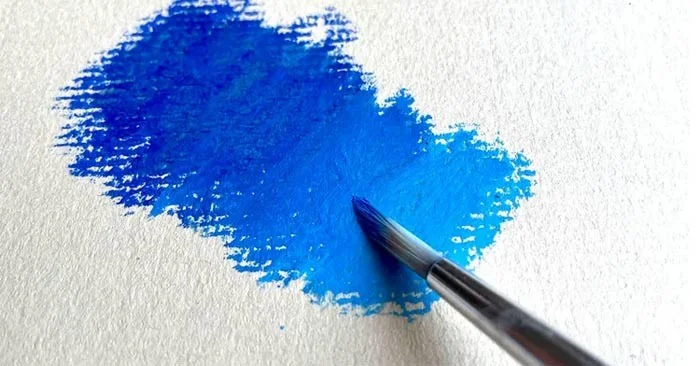
One of the great things about using oil pastels is that they blend incredibly easily – you can create smooth shades and blend the colors together on paper.
Oil pastels can even resemble oil paintings when applied thickly, with soft edges and rich colors.
There are many different ways to blend wax onto paper, so you can experiment with all of the options and find the method that works for you. They all have their pros and cons, so you should try a few methods until you find your favorite.
Many options are affordable and easy to find, so you don't need to spend extra money on extra materials if you're a beginner.
Summary of how to mix wax oil
Blend with fingers
Finger blending is often the first method most artists try when working with oil pastels and it can yield great results!
The main downside is that your fingers can get dirty quickly, meaning you could accidentally smear other colors. You should wash your hands frequently if you use this technique, or keep some wet wipes nearby to clean your fingertips.
Mixed pile
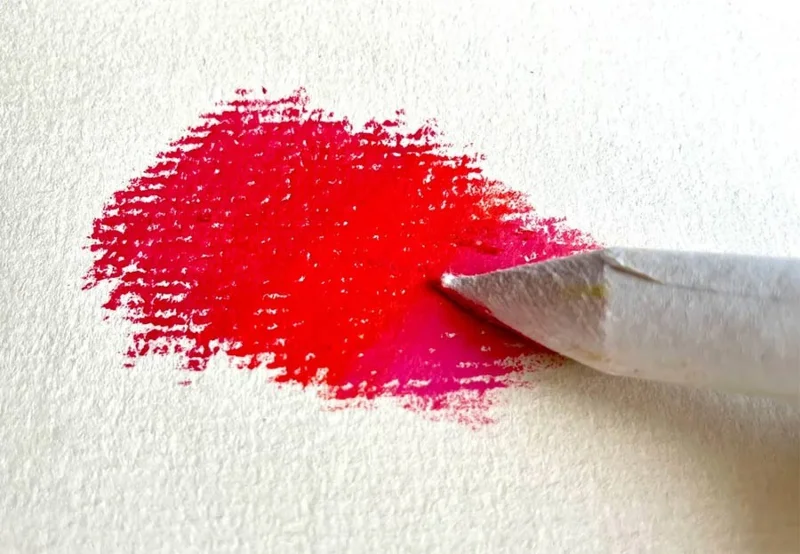
If you want to keep your hands clean, blending sticks or tortillons can be helpful. These are paper sticks that you can use to smudge the pastels.
When the mixing paddle gets dirty, you can rub the tip with a kneaded eraser or remove some of the surface with sandpaper. Then your mixing paddle will look like new and you can get back to work!

Tissue
Paper towels are cheap and easy to find. You can crumple them up or shape them into a point to mix the wax together. Be careful not to rub your drawing too hard or the paper will disintegrate.
Foam insulation tube
This may sound like a strange suggestion, but don't be afraid to try it. Foam insulation tubing can be found at most hardware or DIY stores and can be cut into short pieces for easier handling. Rub it over your wax pastels to blend the colors together evenly.
Baby oil
If you are a parent, you probably already have a bottle of baby oil in your home. If not, baby oil is available at pharmacies and supermarkets and is very cheap.
Baby oil is actually mineral oil, so it's perfect for blending oil pastels together! Try not to use too much as it can make your paper greasy. Apply a little with a brush or cotton swab and blend to your liking.
Low odor solvent
Low odor solvents are commonly used with oil paints. Since pastels are also oil based, you can use solvents on them as well.
You can also use turpentine, but this has a very strong smell and is toxic, so you should use a less smelly alternative.
If using turpentine, make sure you are in a well-ventilated room. If any gets on your skin, wash it off with soap and water.
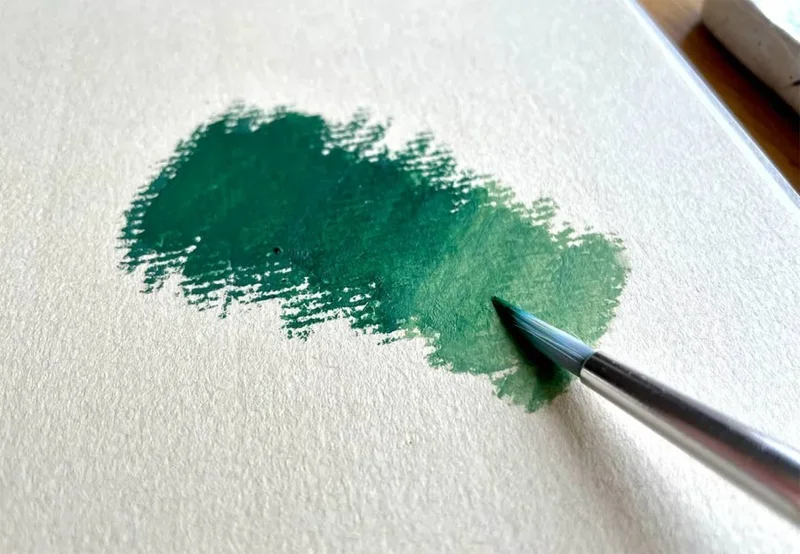
You can use a low odor solvent with a brush or cotton swab to smooth out your oil pastels. Add just a little at a time for best results.
When using for the first time, test on a piece of paper first so you know what the results will be like.

Use a palette knife
You can mix and blend colors directly onto the paper or separately in a palette. A palette knife can be used to blend the pastels in the palette before transferring to paper.
This approach gives you more control over the color mixing, but can be difficult to apply evenly on paper.
Clay eraser
Every artist should have one of these erasers in their kit. These soft erasers can be shaped with your hands, so you can mold them into a point if you like.
Just rub the eraser lightly over your drawing and see how easily the crayons blend!
Flaxseed oil
Turn your oil pastel drawing into an oil painting with a few drops of linseed oil. This dilutes the pigment and makes the resulting coloring effect more like paint! You can even move the oil pastel around with a brush.
Color layering
You can also blend the wax by coating it with another color. This can be used to create different effects at the same time.
For example, if a color is too bright, you can blend and tone it down at the same time by layering white, gray, or black over it.
Water
Some oil pastels are water soluble, so you can create a watercolor-like effect by brushing a little water over them. Be careful not to use too much or the paper will warp!