Facts about tonsils you may not know

Most of us only notice our tonsils when they're swollen or infected. But these masses of lymphatic tissue in the mouth and throat are important immune "gatekeepers" at the top of the airways and digestive tract, trapping pathogens and preventing disease before they can reach the rest of the body. Here are some facts you may not know about your tonsils .

Facts about tonsils you may not know

Facts about tonsils you may not know

There are 4 tonsils in the human body.

The term tonsils usually refers to the palatine tonsils, the tonsils that can be seen at the back of the throat. But tonsil tissue also includes the lingual tonsils (located at the base of the tongue), the tubular tonsils, and the adenoid tonsils (often just called the adenoids).

The body's first line of defense against pathogens

The tonsils are the primary barrier to inhaled or swallowed pathogens that can cause infection or other harm. These pathogens bind to specialized immune cells in the lining—the epithelium—to elicit an immune response in the tonsils' T and B lymphocytes. Essentially, they help kickstart your immune response.

Adenoid tonsils can obstruct breathing and cause facial deformities.

If the adenoids swell, they can obstruct breathing and block sinus drainage, which can lead to sinus and ear infections. If the adenoids become too large, they can force a person to breathe through their mouth. In children, frequent mouth breathing can cause facial deformities by putting pressure on the growing facial bones.

Sometimes the tonsils are removed.

Although the tonsils are part of the immune system, “when they become congested or chronically infected, they need to be removed.” The rest of the immune system steps in to deal with subsequent attacks from pathogens. Another reason for tonsillectomy beyond size is “chronic tonsillitis, where the immune system fails to clear the remaining bacteria from the tonsils, despite multiple courses of antibiotics.”

Tonsillectomy has been performed for thousands of years...

Tonsillectomy is believed to have been a phenomenon for three millennia. The procedure is found in ancient Ayurvedic texts, making it one of the oldest documented surgical procedures. However, although scientific understanding of the surgery has changed significantly since then, the benefits versus harms of tonsillectomy remain unanswered and a subject of ongoing debate.

Frog fat was once used to treat swollen tonsils.

As early physicians struggled to perfect effective tonsillectomy techniques, one of them, Aetius de Amida, recommended the use of "ointments, oils, and caustic formulas incorporating frog fat to treat infections."

Today, thanks to advances in technology, tonsillectomy has become easier. Under short general anesthesia, doctors use a procedure called coblation, "a type of cryotherapy, which results in virtually no bleeding, less post-operative pain, and faster healing. You can return to normal activities after 10 days.

Laisser un commentaire

Comment jeter une batterie au lithium à Angers ? Les points de collecte et les précautions

Comment jeter une batterie au lithium à Angers ? Les points de collecte et les précautions

À Angers, découvrez où déposer une batterie au lithium, comment la sécuriser et quoi faire si elle est gonflée, endommagée ou chaude.

Comment jeter une batterie au lithium à Aix-en-Provence ?

Comment jeter une batterie au lithium à Aix-en-Provence ?

Découvrez où déposer une batterie au lithium à Aix-en-Provence et les précautions à prendre selon son état, sa taille et son appareil.

Comment jeter des néons à Nîmes ? Les bons points de collecte et les précautions à prendre

Comment jeter des néons à Nîmes ? Les bons points de collecte et les précautions à prendre

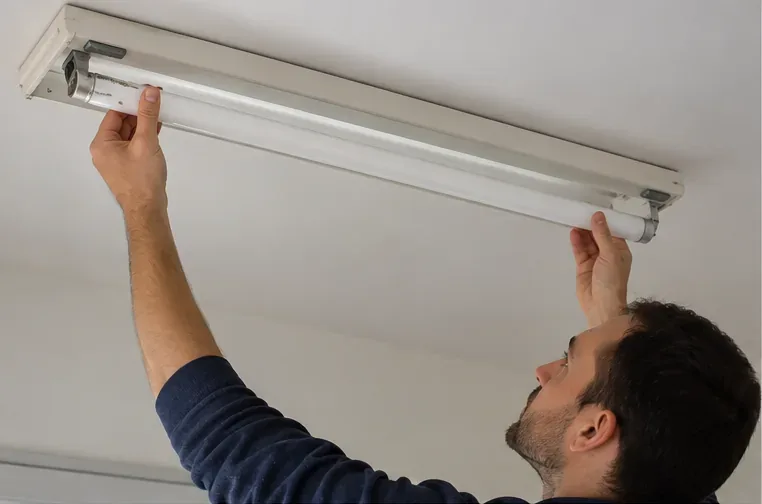
À Nîmes, les tubes fluorescents et LED ne vont pas à la poubelle. Découvrez où les déposer, comment les transporter et quoi faire s’ils se cassent.

Comment jeter un vélo à Perpignan ? Guide pratique du tri et du réemploi

Comment jeter un vélo à Perpignan ? Guide pratique du tri et du réemploi

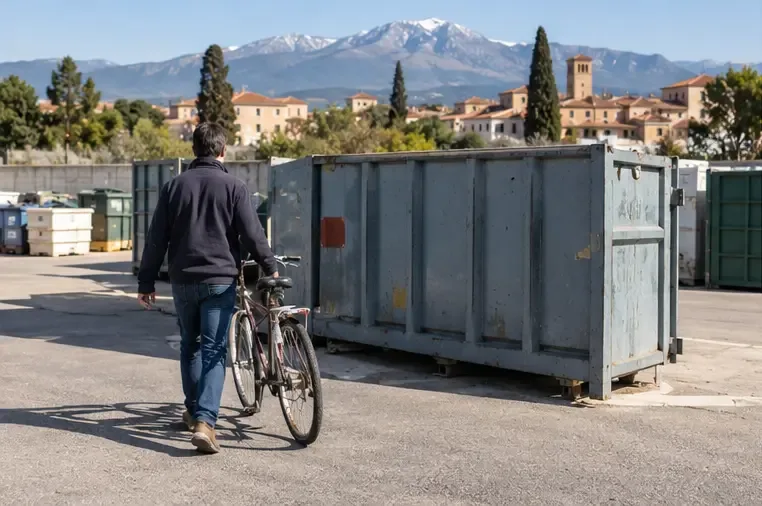
Vélo usé à Perpignan : vérifiez le réemploi, le badge, l’adresse de la déchèterie et les précautions pour un vélo électrique.

Comment jeter un téléviseur à Reims ? Les solutions simples et les erreurs à éviter

Comment jeter un téléviseur à Reims ? Les solutions simples et les erreurs à éviter

À Reims, un téléviseur usagé est un DEEE : déchèterie, reprise en magasin ou enlèvement sur rendez-vous. Voici la marche à suivre sans erreur.

Prime d’activité et chômage : peut-on cumuler les deux ?

Prime d’activité et chômage : peut-on cumuler les deux ?

Prime d’activité et chômage peuvent parfois se cumuler. Découvrez dans quels cas, quelles ressources sont prises en compte et comment éviter les erreurs de déclaration.

Comment jeter un ordinateur à Aix-en-Provence ? Les solutions pratiques et sûres

Comment jeter un ordinateur à Aix-en-Provence ? Les solutions pratiques et sûres

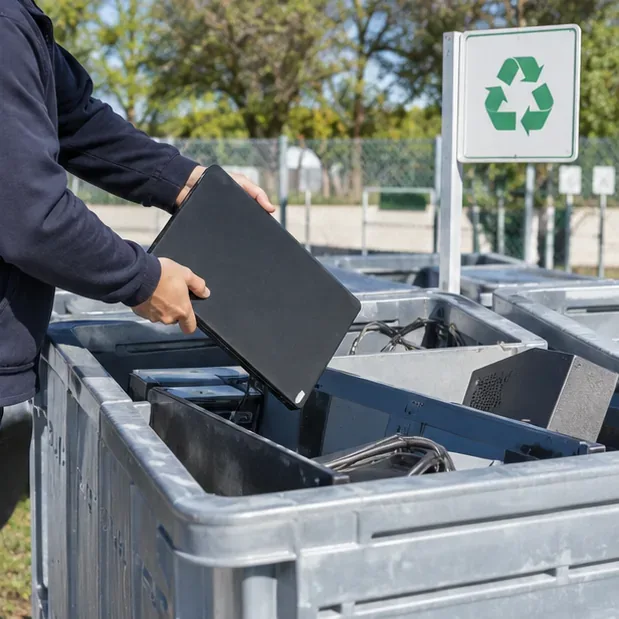
À Aix-en-Provence, un ordinateur usagé est un DEEE : déchèterie, reprise en magasin, réemploi et effacement des données. Guide pratique 2026.

Comment jeter de l’huile de cuisson usagée à Nice ? Le guide pratique

Comment jeter de l’huile de cuisson usagée à Nice ? Le guide pratique

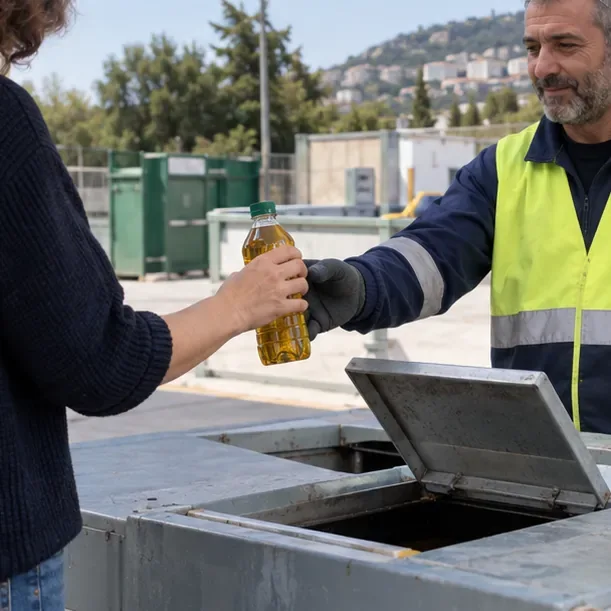
À Nice, où déposer l’huile de cuisson usagée ? Préparation, déchèteries, badge, horaires saisonniers et vérifications pour éviter les erreurs.

Déchèterie à Metz : horaires, accès et déchets acceptés

Déchèterie à Metz : horaires, accès et déchets acceptés

Déchèterie à Metz : horaires 2026, adresses, conditions d’accès, déchets acceptés ou refusés, limites de volume et conseils avant de partir.

Comment jeter une batterie externe à Annecy ?

Comment jeter une batterie externe à Annecy ?

Batterie externe intacte, gonflée ou fuyante : découvrez où la déposer à Annecy, comment la transporter et quelles erreurs éviter avec le lithium.