Dead butt syndrome or gluteal myositis is one of the serious consequences of sitting too much but little known.
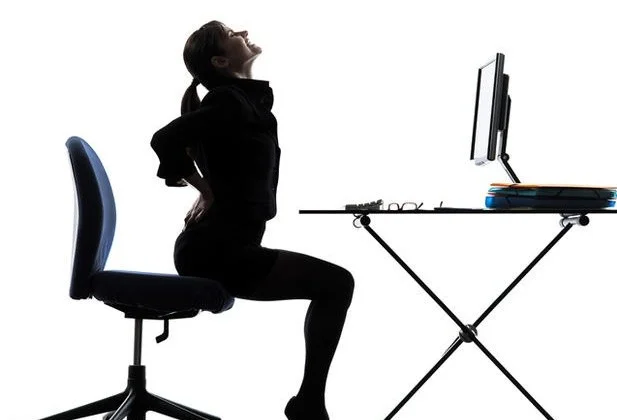
Anyone who has ever sat in a chair for hours has experienced a tingling sensation in one or both buttocks. This feeling disappears during movement, so many people think it is not a big problem, not knowing that it is the premise for a more serious syndrome called "Dead Butt Syndrome" or Fluteal amnesia.
Your butt can actually "die"
Simply put, dead butt syndrome is a phenomenon where your butt "forgets" that it is a butt, and the muscles around the butt become truly paralyzed and can no longer react.

According to physiologist Pete McCall, the cause of this phenomenon is that when we sit, the flexor muscles around the hips tighten, causing the gluteal muscles to not function properly.
" It's a muscle balance, where shortening of one muscle (the hip flexors) causes another muscle on the opposite side (the glutes) to lengthen to compensate ," McCall adds.
Specifically, in a sitting position, the hip flexors are tightened and the glutes will stretch to compensate. Sitting for too long, repeatedly over a long period of time, causing the glutes to stay at this level of stretch, causes "dead butt" syndrome. When you need to use the glutes, they will create less force, so other parts of the body have to work harder to compensate for the buttocks. This is the reason why the hips, knees, and spine suffer unnecessary pain.
How to Check if You Have Dead Butt Syndrome
If you work in an office and have to sit too much, check yourself to see if you have "dead butt" syndrome.
If you lie on your back and cannot move each side of your buttocks separately or when you stand up straight, but feel your waist tilt slightly forward, you may have this scary syndrome.
How to avoid dead butt syndrome when sitting too much
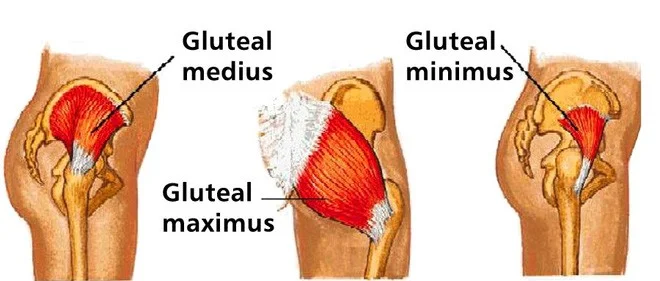
According to Sara Lewis - director of XO fitness company in Los Angeles, to revive your butt, you must constantly exercise all three types of gluteal muscles: gluteal medius, gluteal maximus and gluteal minumus.

3 types of gluteal muscles
Don't worry too much, there are still ways to fix this "dead butt" syndrome.
- Get up from your chair regularly during work hours, preferably set an alarm on your phone to remind you to move. Get up, walk around and do some stretching.
- Sit in the correct posture, adjusting the height of the chair so that the tip of your big toe touches the floor.
- Exercise: Squats, lunges, or deadlifts are all exercises that heavily target these muscle groups.
- If you don't have time to exercise, just stand up straight, tighten your glutes for 5 seconds and then release. Repeat this movement 10 times throughout the day and your butt will come back to life in no time.