1. Check the screen for dead pixels or image retention
The screen is the heart of any TV, so this is where you should start. Start by turning on the TV and displaying a solid color image – white, black, red, green, and blue are good choices. You can find test patterns on YouTube or use a USB stick with a test image.
Look closely for dead pixels, which appear as small black or colored dots that don't change with the image. A few dead pixels may not be a big deal, but clusters or widespread problems are a warning sign.
TV screen shows image retention
Next, check for image retention, especially if the TV is an OLED. Image retention occurs when a static image (like a logo or news feed) leaves a faint but permanent mark on the screen. Display a full-screen white image and look for faint traces of the previous content. For LCD/LED TVs, check for uneven backlighting or dark spots, which can indicate an old or damaged TV.
2. Check Wi-Fi and Ethernet connections
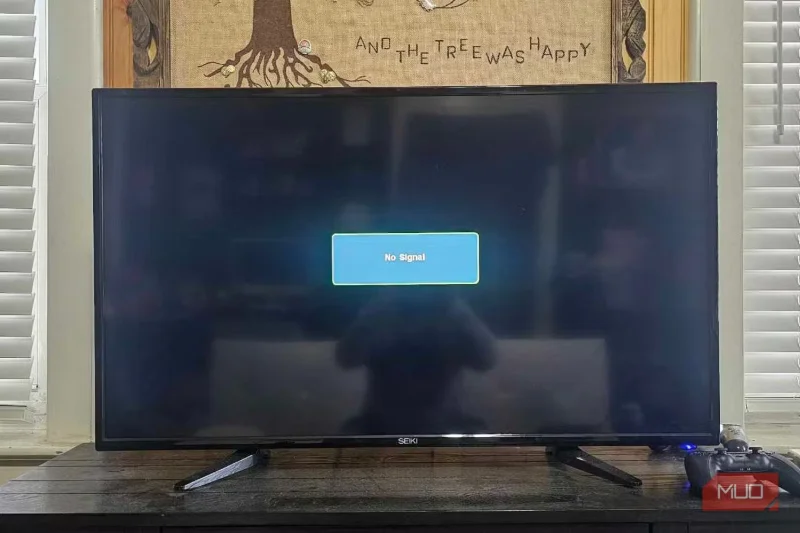
Smart TV has no video signal
A Smart TV is only as good as its ability to connect to the internet. Connect to the seller's Wi-Fi (or your mobile hotspot) and make sure the TV connects without any issues before paying. A TV gets points if you see its Wi-Fi standard is Wi-Fi 6 or Wi-Fi 6E .
If your TV has an Ethernet port, plug in the cable and test the wired connection. Many people prefer wired connections over Wi-Fi because they are faster and more stable.
Open a streaming app like YouTube or Netflix and play a high-definition video to see if it plays smoothly. If your TV struggles to connect or frequently drops the signal, it could be due to an outdated Wi-Fi module or hardware. This is especially common on older models, so be cautious.
3. Check Smart TV interface for speed and updates
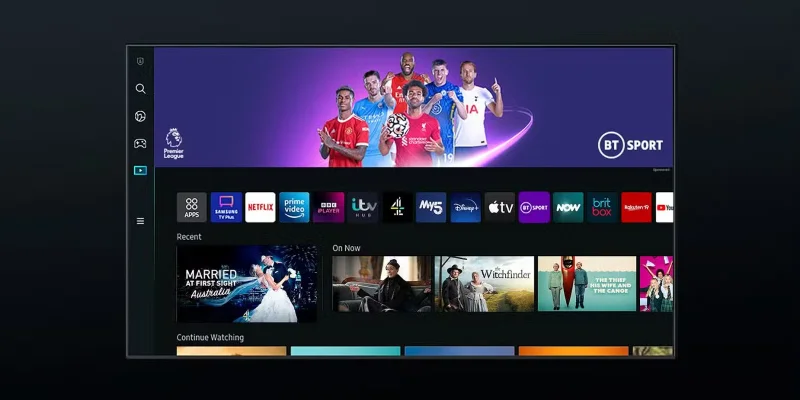
Tizen OS on Samsung TVs
The Smart TV interface is your portal to streaming services, apps, and settings, so it's important to make sure it's responsive and up-to-date. Slow menus or slow responses to remote inputs (for example, taking more than 3 seconds to press the subscribe button) often signal an underpowered processor or bloated software.
Next, dig into your system settings. Check the operating system version (e.g. Google TV, Tizen, webOS) and see if there are any pending updates. Manufacturers like Samsung and LG typically support high-end TVs with updates for 4–5 years, but cheaper brands may stop supporting them after 18 months.
Check pre-installed apps like Prime Video or Apple TV+. If they frequently crash or cache despite a strong connection, your TV’s firmware may be outdated or, worse, have corrupted memory. If that’s the case, consider whether you’re okay with using an external streaming device like a Roku or Apple TV to maintain your current setup.
4. Check all ports and connectivity features
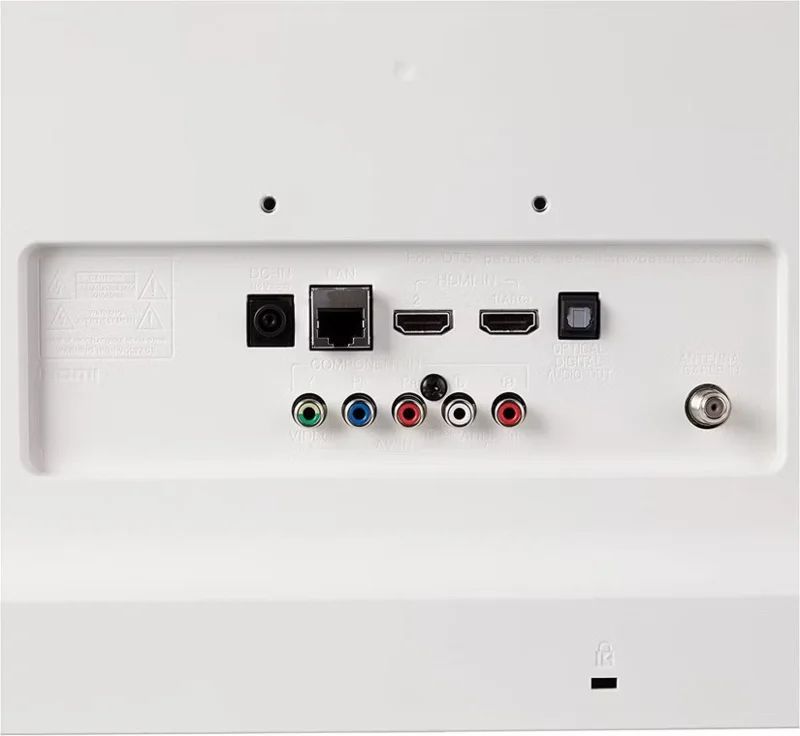
A used Smart TV that looks great on the outside will be a disaster if its ports and connectivity features are faulty. Before you buy, check all the physical ports — HDMI, USB, Ethernet, and any others. Look for signs of damage, such as bent pins or loose connections. Then, test each port to make sure it's working properly.
For HDMI ports, connect a device like a game console or Blu-ray player and test both video and audio output.
If your TV has multiple HDMI ports, test each one.
For USB ports , plug in a flash drive containing video or photo files to see if the TV can read and display the content.
If your TV has an optical audio output or headphone jack, check to make sure they work as expected.
Don't forget to check Bluetooth functionality if your TV supports it. Pair a set of wireless headphones or soundbar to verify a stable connection and clear sound quality.
If you notice any ports not working, consider whether you can troubleshoot the issue. For example, if one HDMI port is faulty but the others are fine, it may not be a big deal.
5. Verify remote control function
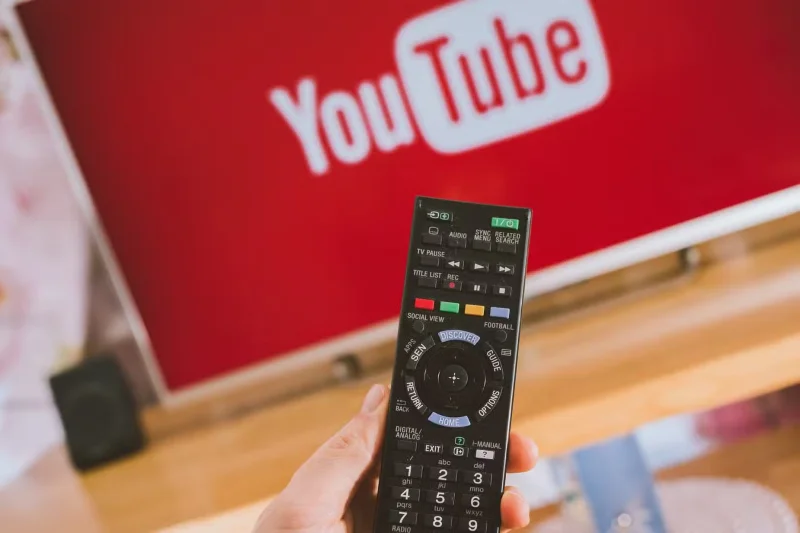
YouTube app on Sony Smart TV
The remote control is the primary way you interact with your TV, so it's essential to make sure it's in perfect working order. Start by checking the physical condition of the remote. Do the buttons respond, or are they stuck or loose? Are there any visible signs of damage, such as cracks or worn buttons?
Next, test the functionality of the remote. Turn the TV on and off, adjust the volume, and navigate through menus. Pay attention to any lag or unresponsive buttons.
Check for any special features, such as voice control or dedicated app buttons. If your remote has a built-in microphone for voice commands, try using it to search for content or change settings.
6. Run a sound test on the speakers
Clear sound is just as important as a sharp picture, so don't skimp on your speakers. You can run a sound test on your TV speakers by playing a video with a mix of dialogue, music, and sound effects — something like a movie trailer or concert clip would work. Listen closely for distortion, crackling, or uneven volume between the left and right channels.
Next, adjust the volume from low to high. Are the speakers clear at low levels or do they get muffled when the volume is turned up? If your TV has built-in sound settings (like Movie, Music, or Voice), toggle between them to see if any of them improve the sound quality.
If the built-in speakers aren't good enough, check your TV's audio output options. You can connect a soundbar to any Smart TV via Bluetooth, HDMI, RCA, or optical audio. If you don't have a soundbar, a pair of headphones will work just as well. Relying on external devices will add to the cost, so consider that when making your decision.
A used TV doesn't have to be perfect, but it should meet your needs and work reliably. Performing these tests will help you avoid costly mistakes and make an informed decision whether to walk away or negotiate a lower price.